















Our upcoming conference in September will bring together regulators, policymakers and industry leaders to move the conversation beyond minimum compliance and explore how the industry can embed competence, accountability and positive cultural change.
The construction industry has spent the last few years adapting to significant regulatory change. New dutyholder responsibilities, enhanced building control processes and increased scrutiny of competence are reshaping how projects are delivered.
Yet there is a danger that we view compliance as the destination rather than the starting point.
Meeting legal requirements is essential, but regulations alone will not create a safer built environment – they only set minimum standards. The real challenge for clients, consultants and contractors is building collaborations where competence, culture and accountability are embedded throughout every stage of a project. Whole systems change is still on the agenda.
The post-Grenfell landscape has rightly focused attention on individual and organisational competence. The introduction of new frameworks, standards and guidance has helped establish clearer expectations of what good looks like. However, competence cannot simply be demonstrated through qualifications, memberships or CPD and training records. It must be actively managed, and be evident in decision-making, behaviours and the ability to recognise and manage risk.
This presents a challenge for the entire project team, and government, which has recently confirmed its ambition to deliver whole systems change beyond implementing the Grenfell Inquiry recommendations with a call for evidence which looks at: competence; behaviour, conduct and culture; and accountability and personal responsibility.
Already, clients must ensure they are appointing organisations and individuals with the right skills, knowledge, experience and behaviours. Consultants need to demonstrate not only technical expertise but also an understanding of how their decisions affect safety outcomes throughout a building’s lifecycle.
Raising concerns
Clients and employers must create environments where concerns can be raised, challenged and addressed without fear or hesitation. In particular, effective safety and risk management considerations should drive the process, not cost constraints or “value engineering”.
The most successful projects are rarely those that simply tick compliance boxes. They are the projects where information is shared effectively, responsibilities are clearly understood and teams work together to achieve safe, high-quality outcomes.
This is particularly important as digital information management becomes increasingly central to construction. The industry is moving towards a future where information must be accurate, accessible and capable of supporting informed decisions throughout design, construction and occupation. When managed effectively, information becomes more than a regulatory requirement; it becomes a critical tool for assurance, accountability and continuous improvement.
The question construction professionals should be asking is not, “Are we compliant?” but “Are we confident that the decisions we are making today will deliver safer outcomes tomorrow?”
Promoting higher standards
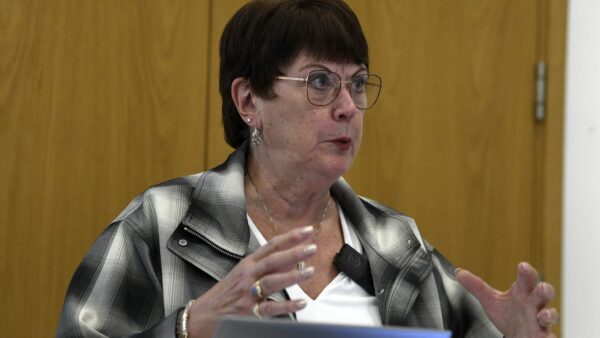
That shift in mindset and ambition is at the heart of this year’s APS National Conference, Beyond Compliance: When Regulation Is Only the Starting Point. Taking place on Wednesday 9 September in Birmingham, the conference will bring together regulators, policymakers and industry leaders, including Dame Judith Hackitt, and the event will explore how the sector can continue raising standards through competence, leadership and collaboration.
The future of construction safety will not be defined solely by regulations. It will be shaped by industry professionals promoting higher standards, challenging poor practice and leading positive cultural change.
Compliance remains essential. But, to deliver a safer built environment for all, we must go beyond compliance – further, faster and together as an industry.